PRODUCT CARE · MAHJONG SCORE PADS
How to Store Mahjong Score Pads: A Care Guide for Clubs, Retailers, and Events
Keep score pads flat, dry, clean, protected, and ready for the next table.
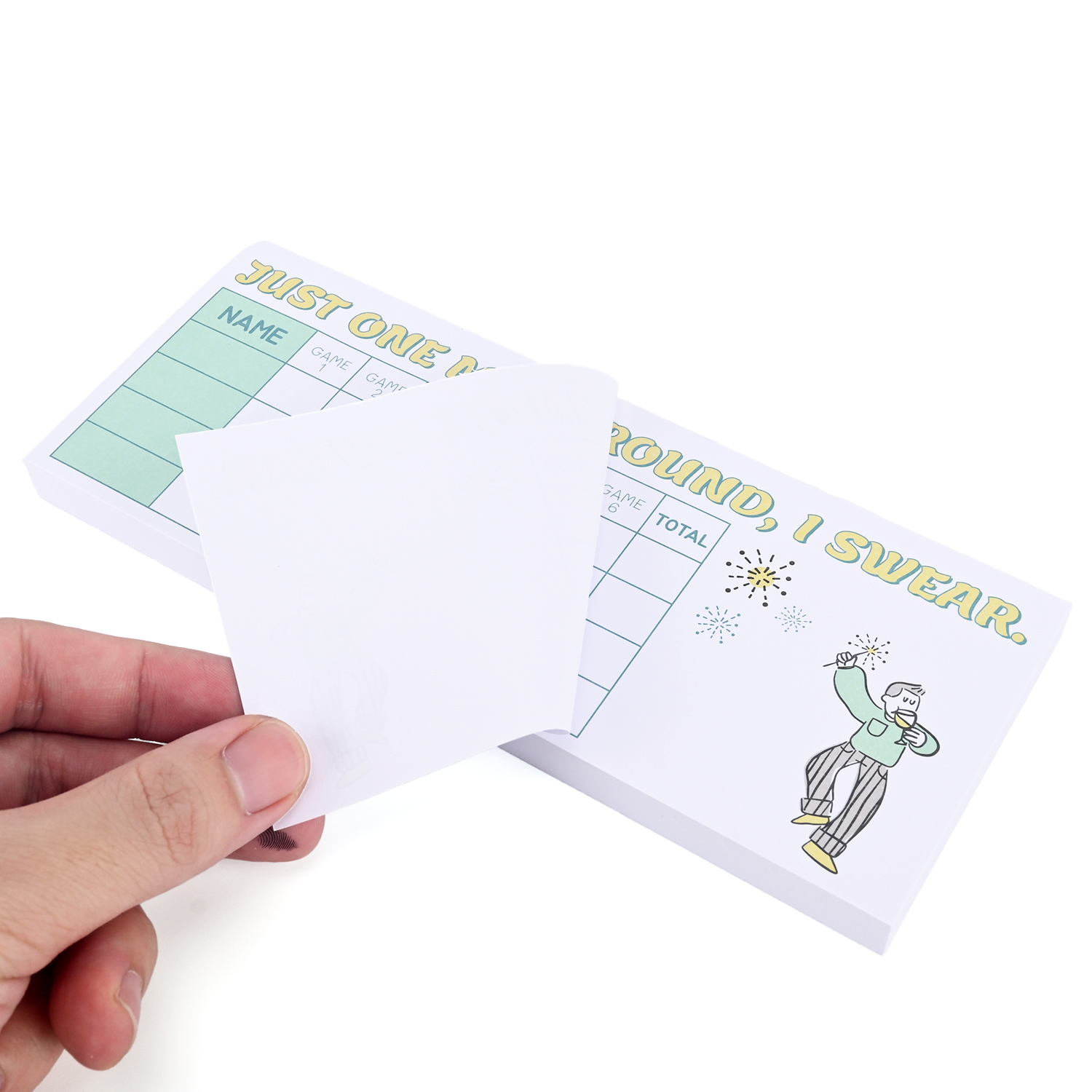
Mahjong score pads should be stored flat in a clean, dry, stable indoor location. Keep unopened pads in their protective packaging, protect the paper and glued edge from moisture and pressure, and avoid direct sunlight, heating vents, food, and drinks.
These simple habits help retailers, clubs, event organizers, and home players keep score sheets clean, flat, and ready for use.
Why storage conditions matter
A Mahjong score pad is an everyday paper product designed to be written on and used sheet by sheet. It does not require museum-level storage, but paper can still react to moisture, light, dirt, heat, and uneven pressure.
Poor storage may contribute to curled or wavy sheets, bent corners, crushed edges, distorted glue binding, dust, stains, faded printing, and pads that no longer stack or display neatly.
General paper-care guidance from the Library of Congress recommends a clean, relatively dry, stable environment, minimal light exposure, distance from radiators and vents, and supportive storage. The National Archives also recommends protection from excessive heat, moisture, and light.
Store score pads flat
Place pads on a clean, level shelf, inside a drawer, or in a properly sized carton. Keep the full pad supported so one end does not hang over an edge. Avoid standing thin pads upright without support, because they may lean, bow, or develop bent corners.
- Align the edges when stacking.
- Keep the stack at a manageable height.
- Avoid placing heavy products on top.
- Do not compress the glued edge.
- Separate damaged pads from clean stock.
For retail or event inventory, use an inner carton or divider that limits unnecessary movement without squeezing the pads.
Keep the paper dry and stable
Avoid damp basements, garages, windowsills, kitchens, outdoor storage, and areas with a known risk of leaks. Do not place cartons directly on a floor where cleaning water, condensation, or minor flooding could reach them.
A stable indoor setting is more important than chasing an exact temperature or humidity number. If pads arrive from a very different climate, allow sealed cartons to adjust indoors before opening them.
Protect pads from light and heat
Direct sunlight may fade printed colors and heat the paper unevenly. Keep long-term stock away from sunny windows, display lighting, radiators, heaters, and strong air vents.
Retail display samples can remain visible, but reserve unopened stock in covered storage. Rotate the display copy if it begins to show wear rather than exposing the full inventory.
Keep unopened pads in their packaging
Original protective packaging helps reduce dust, handling marks, and corner damage before use. Leave pads sealed until they are needed for a table, event, customer order, or display.
- Remove only the quantity needed.
- Close the inner packaging or carton.
- Return unused pads to flat storage.
- Label opened and unopened stock separately.
- Use older clean stock before newly received stock.
Handle open pads with clean, dry hands
Make sure the table and hands are dry before distributing pads. Keep food, drinks, wet wipes, and cleaning sprays away from the paper. If a table has just been cleaned, wait until the surface is completely dry.
Do not use tape, glue, rubber bands, or tight clips to repair or bundle a pad. These may leave residue, dents, or pressure marks.
Choose writing tools carefully
Paper, ink, and writing pressure interact differently. Test an unfamiliar pen or marker on a spare sheet before placing it at every table.
- Check that the line is easy to read.
- Confirm ink does not transfer immediately to the next sheet.
- Make sure the tip does not tear the paper.
- Avoid deep impressions from excessive pressure.
- Use a firm, clean surface beneath a loose sheet.
Prepare score pads for clubs and events
Keep most pads protected until table setup begins. Distribute them after tables are clean and dry, and keep backup pads in a covered supply area.
- Count pads before setup.
- Inspect edges and glued bindings.
- Place one pad and suitable writing tools at each table.
- Keep drinks in a separate area where practical.
- Collect unused pads after the session.
- Record remaining inventory for the next event.
Recurring clubs can designate one dry cabinet or labeled container for scorekeeping supplies.
Transport score pads without bending them
Use a rigid outer carton or tote that supports the full dimensions of the pads. Fill unused space with clean packing material so pads do not slide, but do not apply excessive pressure. Protect cartons from rain during loading and unloading.
Inspect stored inventory regularly
Check for dampness, unusual odor, wavy sheets, dust, stains, crushed corners, separation at the glued edge, damaged packaging, and insect activity. Move clean stock away if moisture, pests, or leakage is found, and do not mix damaged pads back into saleable or event-ready inventory.
Planning ready-stock and custom orders
As a current planning reference, selected ready-stock products may begin from 5 sets, subject to product availability and confirmation. Custom MOQ depends on the score-pad specification and should be requested individually.
A custom sample normally takes about 10 days. Score-pad bulk production generally takes about 20–25 days. These are conditional estimates rather than guaranteed deadlines.
Actual timing depends on the confirmed size, paper, sheet count, artwork, printing, binding, packaging, quantity, production schedule, sample approval, and other project conditions. Unexpected circumstances may add several days, and transportation time is calculated separately.
Quick care checklist
- Flat and fully supported
- Clean and dry
- Protected from direct sunlight
- Away from heat, vents, food, and drinks
- Not compressed by heavy products
- Kept in protective packaging when unopened
- Separated from damp or damaged inventory
- Stored in a labeled location that is easy to inspect
Frequently asked questions
Should Mahjong score pads be stored flat or upright?
Flat storage is generally more suitable for compact glue-bound pads because it supports the full product and reduces leaning, bowing, and corner damage. Upright storage should include firm side support.
Can score pads be kept in a garage or basement?
A consistently dry indoor cabinet is safer. Garages and basements may experience moisture, temperature changes, leaks, dust, or pests.
How can clubs prevent score pads from curling?
Store pads flat, keep them away from moisture and strong vents, leave unopened inventory protected, and avoid placing uneven weight on the stack.
Should opened score pads be returned to inventory?
Clean, dry, undamaged pads can be returned to a separate opened-stock area. Pads exposed to spills, moisture, or heavy staining should not be mixed with clean inventory.
What writing tools work with a score pad?
Compatibility depends on the paper and writing tool. Test unfamiliar pens or markers on a spare sheet for readability, drying, transfer, tearing, and writing impressions.
How long does a custom Mahjong score-pad project take?
A sample normally takes about 10 days, while score-pad bulk production generally takes about 20–25 days. Timing depends on the approved specifications, artwork, quantity, packaging, production schedule, and other conditions. Transportation time is separate.
PLANNING SCORE PADS?
Share your score-pad project brief.
Send the intended use, finished size, sheet count, paper preference, printing requirements, binding, authorized artwork, packaging idea, quantity, destination, and target timing for a specification review.
Start a project discussion ->Compare score-pad paper, binding, and sheet count.